
Overview
- Found in shallow reefs of the Indo-Pacific, particularly near lagoons and coral heads.
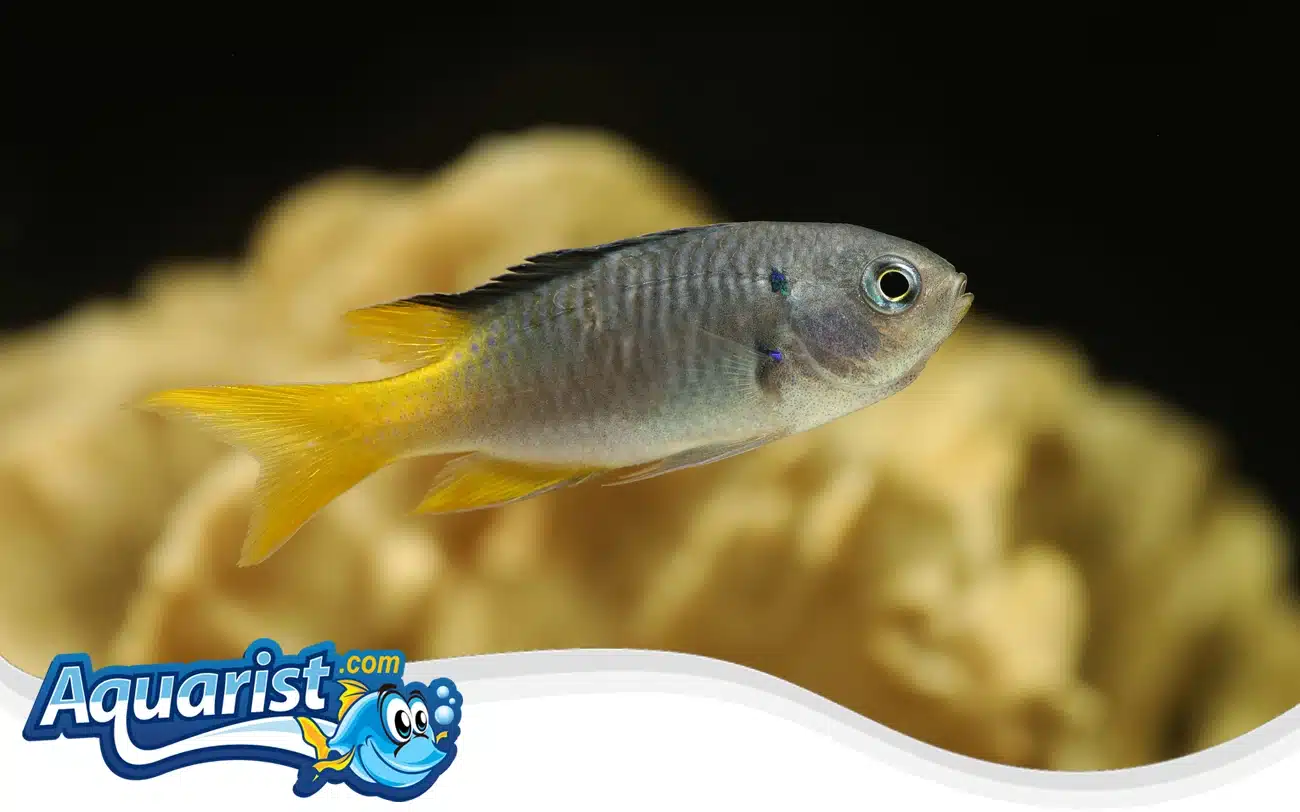
- Recognized for its vibrant blue body with a yellow underbelly, making it a standout in reef environments.
- An active swimmer, frequently darting between coral branches for shelter and exploration.
- Often found in small social groups, establishing a natural hierarchy among its peers.
Feeding
- Omnivorous, consuming plankton, algae, and tiny crustaceans in the wild.
- Thrives on a varied diet including marine pellets, frozen mysis shrimp, and spirulina-based foods.
- Frequent feedings throughout the day support its high energy levels and bright coloration.
- Providing both plant-based and protein-rich foods ensures a balanced nutritional intake.
Habitat
- Prefers reef environments with plenty of coral cover and rocky formations.
- Frequently seeks shelter among branching corals to retreat from larger fish.
- Moderate water movement is ideal, mimicking its natural reef habitat.
- Thrives in well-structured aquariums with stable water conditions.
Fish Care
- Optimal water temperature: 75-82°F (24-28°C).
- pH level: 8.1-8.4, with a specific gravity of 1.023-1.026.
- Consistent water quality and routine maintenance help support long-term health.
- Regular water changes and proper filtration minimize waste buildup and maintain clarity.
Compatibility
- Generally peaceful but may become territorial, especially when establishing a home base.
- Best suited for reef tanks with other active but non-aggressive species.
- Coexists well in small groups, particularly when introduced at the same time.
- Avoid housing with overly aggressive fish that may chase or harass it.
Aquarium Behavior
- Active swimmer, frequently moving between coral formations and open water.
- Displays curiosity, often exploring every part of the aquarium.
- Establishes a small territory but generally interacts well with other species.
- Adapts well to captivity, becoming more confident in a structured environment.