
Overview
- Native to the Eastern Pacific, primarily found along rocky reefs from the Gulf of California to Peru.
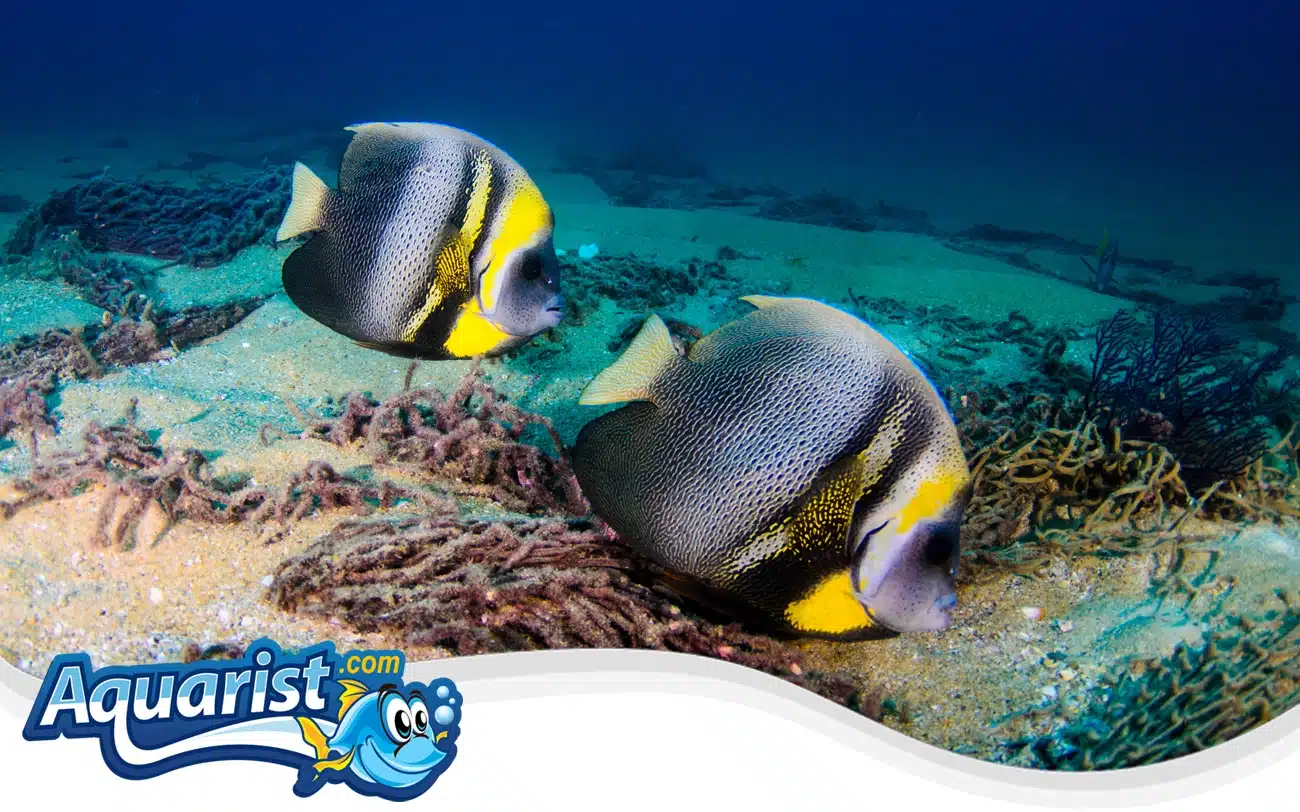
- Notable for its striking coloration, including a dark blue body with vertical yellow stripes and blue highlights on fins.
- Known for its bold and inquisitive personality, popular among marine aquarium enthusiasts.
- Requires moderate care, making it suitable for intermediate aquarists.
Feeding
- Omnivorous; natural diet includes sponges, algae, tunicates, and small marine invertebrates.
- Readily accepts various aquarium foods such as marine algae, angelfish-specific diets, mysis shrimp, brine shrimp, and chopped seafood.
- Feed multiple times daily to maintain optimal health and vibrant colors.
- Include algae and sponge-based supplements in diet for balanced nutrition.
Habitat
- Requires a spacious aquarium (minimum 150 gallons) with ample swimming space and well-structured live rock formations.
- Stable, mature aquarium environment essential for long-term health.
- Provide plenty of caves, crevices, and territories to manage territorial behaviors and stress.
- Strong filtration and moderate water circulation needed to maintain excellent water quality.
Fish Care
- Optimal water temperature: 72-78°F (22-26°C).
- Recommended pH: 8.1-8.4; specific gravity: 1.020-1.025.
- Sensitive to sudden changes in water parameters; regular testing and consistent maintenance necessary.
- Monitor for common marine diseases and parasites; early intervention crucial for good health.
Compatibility
- Semi-aggressive; best kept with similarly sized and robust fish species.
- Generally not reef-safe; known to nip at corals, sponges, and decorative invertebrates.
- Ideal tank mates include large tangs, wrasses, groupers, and other semi-aggressive marine species.
- Territorial, especially towards other angelfish; adequate space and careful introductions are recommended.
Aquarium Behavior
- Active and curious, often seen swimming openly and exploring surroundings.
- Displays territorial and assertive behavior, especially in smaller aquariums.
- Interactive and often responsive to caretakers, particularly during feeding sessions.
- Providing ample hiding spaces and clearly defined territories helps manage aggression and stress.