
Overview
- Found in coastal waters of the western Atlantic, particularly in seagrass beds, estuaries, and reef structures.
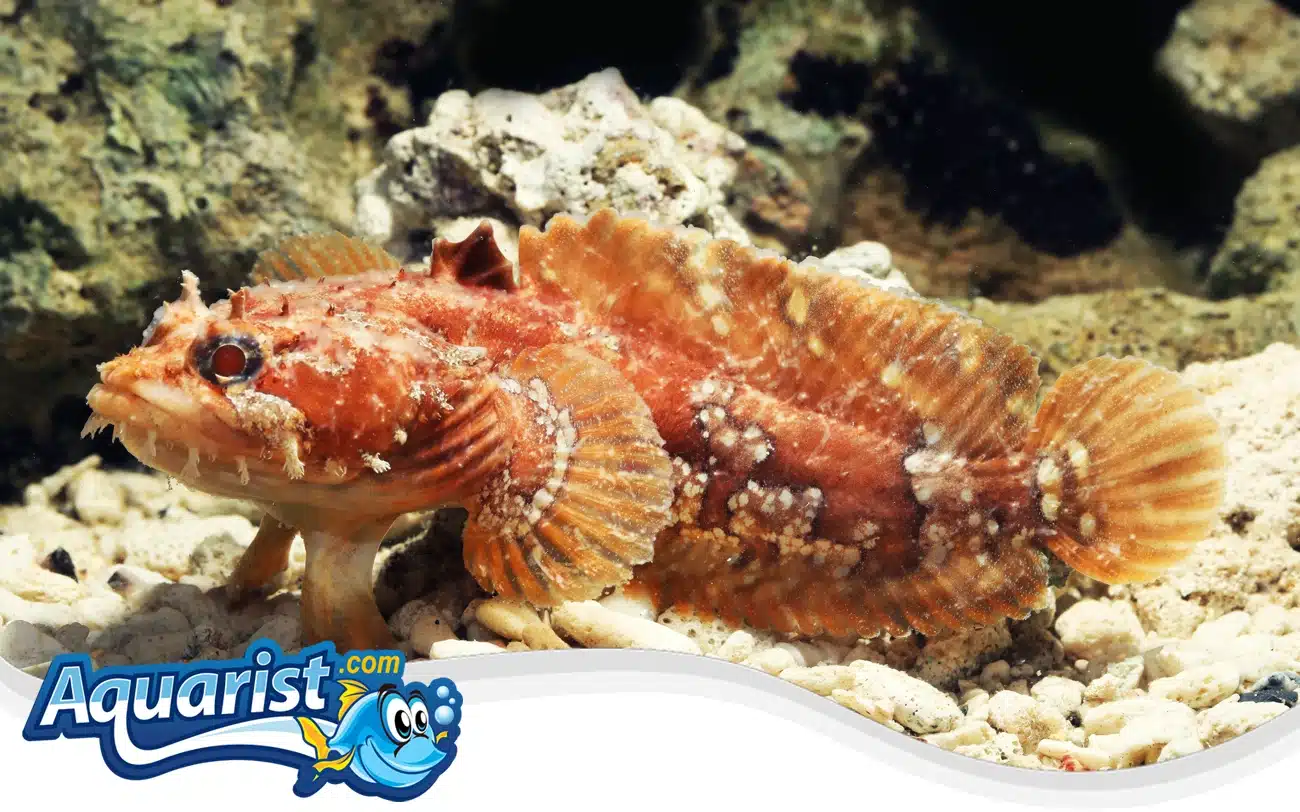
- Distinguished by its mottled brown appearance, camouflaging perfectly with sandy and rocky environments.
- Well known for its ability to produce vocalizations, often making a distinct grunting sound.
- Primarily a bottom-dweller, remaining motionless for long periods while waiting for prey.
Feeding
- Carnivorous, feeding on small fish, shrimp, crabs, and other benthic invertebrates.
- Accepts a diet of live or frozen seafood, including squid, chopped fish, and shellfish.
- Requires infrequent but substantial meals due to its slower metabolism.
- Ambush predator that prefers food placed near its resting spot.
Habitat
- Prefers muddy or sandy substrates with plenty of hiding spots.
- Often found in seagrass beds and near submerged structures like rocks and wrecks.
- Thrives in areas with slow-moving water, avoiding strong currents.
- Relies on its camouflage to remain undetected by both predators and prey.
Fish Care
- Optimal water temperature: 74-80°F (23-27°C).
- pH level: 8.0-8.4, with a specific gravity of 1.022-1.026.
- Requires stable conditions, as sudden fluctuations may cause stress.
- Regular monitoring of water parameters ensures a suitable environment.
Compatibility
- Solitary by nature, best kept alone or with similarly sized, non-aggressive species.
- May consume smaller tank mates that fit within its mouth.
- Prefers an undisturbed territory and does not actively seek social interaction.
- Should not be housed with fast-moving or overly aggressive fish.
Aquarium Behavior
- Spends most of its time resting on the substrate, blending in with its surroundings.
- Becomes more active during feeding times, displaying sudden bursts of movement.
- Exhibits unique vocalizations, producing grunts or croaking sounds.
- Adapts well to captivity when provided with a stable, low-disturbance environment.