
Saltwater Corals: A Reef Keeper’s Guide to Choosing, Keeping and Fragging Corals
Saltwater corals look like plants, but each colony is made of small animals called polyps. Most reef corals carry symbiotic algae (zooxanthellae) that turn light into food, which is why lighting matters so much. Stability matters too: a tank that holds steady numbers usually grows better corals than one that hits perfect readings and then swings.
This hub covers coral types, beginner picks, light, flow and water, fragging and coral farming. For the fish side, see our saltwater fish guides.
Types of Saltwater Corals
Reef keepers sort corals into four practical groups, each with different light, flow and care needs.
| Group | Examples | Light (PAR) | Flow | Difficulty | Feeding | Best for |
|---|---|---|---|---|---|---|
| Soft corals | Mushrooms, leathers, Kenya tree, green star polyps | About 30–150 (mushrooms at the low end) | Low to moderate | Easy | Mostly from light | First corals |
| Zoanthids and Palythoa | Zoas, palys | 50–150 | Moderate | Easy | Mostly from light | Color, collectors |
| LPS (large polyp stony) | Duncan, candy cane, hammer, torch, frogspawn | About 75–150 | Gentle, indirect | Easy to moderate | Target feeding helps | Settled tanks |
| SPS (small polyp stony) | Montipora, birdsnest, Acropora | About 200–400+ | High, varied | Moderate to hard | Mostly from light | Mature, stable tanks |
Soft Corals
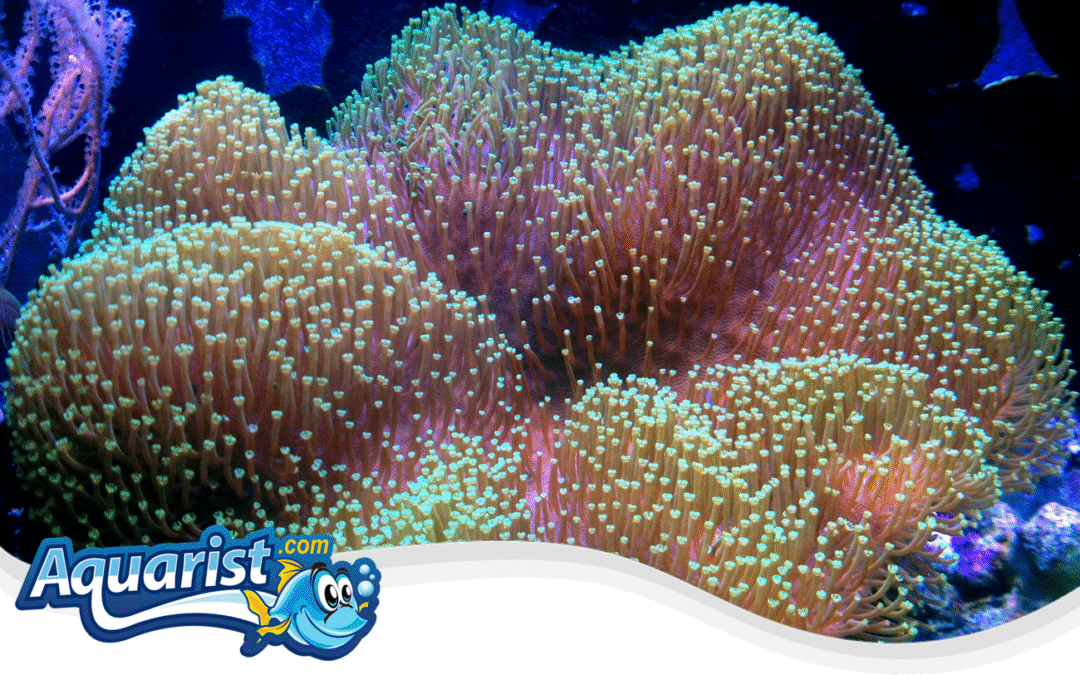
Soft corals have no stony skeleton, so they use little calcium or alkalinity and forgive the small mistakes new tanks make. Mushrooms, toadstool leathers, Kenya trees and clove polyps are all good starters.
Green star polyps and xenia spread fast, so give them their own removable rock. Leathers release chemicals that can irritate nearby corals, which activated carbon helps control. When a colony outgrows its spot, see how to frag soft corals.
Zoanthids and Palythoa
Zoanthids (zoas) and their larger cousins, Palythoa (palys), come in hundreds of named color morphs. They’re hardy and spread into carpets of polyps. When a colony fills its rock, see fragging zoanthids step by step.
Palytoxin safety: Zoanthids and Palythoa can contain palytoxin, and reef keepers have become seriously ill. Wear gloves and eye protection (and consider a respirator when removing colonies or cleaning rock) when handling or fragging them, never boil, heat or scrub rock with colonies on it, and keep colonies underwater when moving rock. Read the full palytoxin safety guide first.
LPS Corals (Large Polyp Stony)
LPS corals have a stony skeleton topped with large, fleshy polyps. Duncan, candy cane, hammer, torch, frogspawn, acan, brain, bubble and pagoda cup corals belong here. Many grow faster with target feeding.
Some extend long sweeper tentacles at night that sting neighbors, so leave at least 4–6 in (10–15 cm) of clearance, and more for torches and large colonies. To split a colony, see our guide to fragging LPS corals.
SPS Corals (Small Polyp Stony)
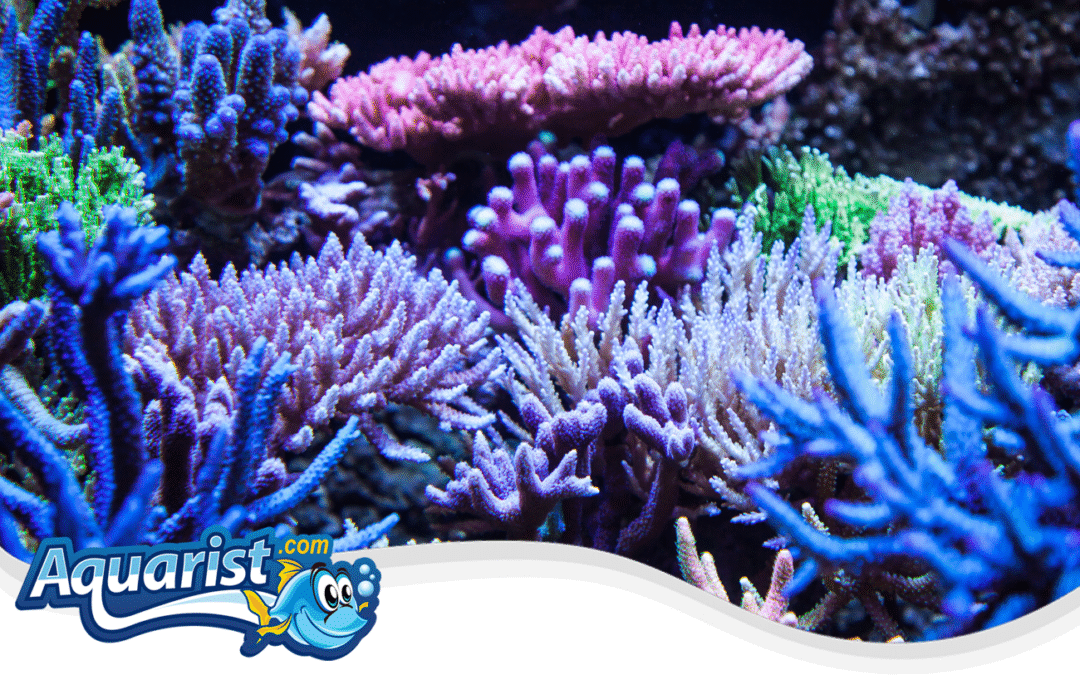
SPS corals have tiny polyps on a dense skeleton. Montipora, birdsnest, Stylophora, Pocillopora and Acropora are the common ones. They need strong light, high and varied flow, and very steady alkalinity, so they aren’t a good fit for a first-year tank. When you get there, learn how to frag SPS corals.
SPS vs LPS vs Soft Corals: Which Should You Start With?
Start with soft corals and zoanthids. They show whether your setup is stable without risking an expensive colony. Add easy LPS once the tank settles, and save SPS until alkalinity, calcium and magnesium hold steady.
Best Corals for Beginners
These handle a new tank’s ups and downs well:
- Mushrooms: low light, low flow, very forgiving
- Zoanthids: colorful and quick to spread
- Green star polyps: on an isolated rock only
- Toadstool leather: large and hardy (run carbon)
- Kenya tree: fast-growing and easy to propagate
- Duncan: a forgiving first LPS
- Candy cane: a slow, steady LPS
- Hammer coral: a classic LPS (watch its sweepers)
- Montipora capricornis: a common first SPS for a mature tank
Still choosing livestock? See the easiest saltwater fish for beginners.
Corals to Avoid as a Beginner
- Acropora: needs high light, high flow and very stable alkalinity
- Goniopora: hard to keep long term, even for experienced keepers
- Non-photosynthetic corals: no algae, so they need frequent feeding
- Fast spreaders on main rockwork: hard to remove later
A Simple Stocking Timeline
A guide, not a rule; your test results set the pace.
- Months 2–3: once the tank has cycled and is stable, add forgiving soft corals and zoanthids.
- Months 6–12: move on to easy LPS as the tank matures.
- After the first year: try SPS once alkalinity holds steady.
Getting Started: Light, Flow and Water
Is Your Tank Ready for Corals?
Add a first coral only when:
- The tank has cycled, with ammonia and nitrite at 0 ppm
- Salinity, temperature and alkalinity have held steady for several weeks
- Nuisance algae is under control
- You test regularly and log the results
New to reefing? Start with how to start a reef tank.
Lighting for Corals
PAR (photosynthetically active radiation) is the best measure for placing corals. Use the table above as a starting point. Most reef tanks now run LED fixtures on a main photoperiod of about 8–10 hours.
Start new corals low in the tank and move them up over a few weeks. With a new fixture, start at lower intensity and ramp up slowly.
Water Flow
Flow brings corals food and oxygen and carries waste away. A common rule of thumb is total turnover (return pump plus wavemakers) of about 10–20 times the tank volume per hour for soft corals, 20–30 times for LPS, and 30–50 times or more for SPS. On a 50-gallon (189 L) soft coral reef, that’s about 500–1,000 gallons per hour (GPH). Random or alternating flow beats one steady stream. Don’t blast fleshy LPS directly.
Water Parameters for a Coral Reef Tank
Target ranges for a mixed reef (ppm is the same as mg/L):
| Parameter | Target range |
|---|---|
| Temperature | 77–80°F (25–27°C), held within ±1°F (0.5°C) |
| Salinity | 1.025–1.026 specific gravity (about 33–35 ppt) |
| pH | 8.0–8.3 (swings from 7.8–8.4 are tolerated) |
| Alkalinity | 7–11 dKH (2.5–3.9 meq/L) |
| Calcium | 400–450 ppm |
| Magnesium | 1,250–1,400 ppm |
| Ammonia and nitrite | 0 ppm |
| Nitrate | 2–15 ppm (SPS often 1–5 ppm) |
| Phosphate | 0.03–0.1 ppm (don’t strip it to zero) |
Swings hurt more than being slightly off, so pick a value inside each range, hold it there and change things slowly. The full reef water chemistry chart adds trace elements and test schedules, and our reef calculators handle dosing, salt mixing and tank volume.
Placing, Acclimating and Feeding New Corals
- Acclimate: float the bag to match temperature, or drip acclimate.
- Dip: dip every new coral to catch pests early. Here’s how to dip new corals.
- Place: match light and flow needs, leaving room for growth and sweepers.
- Feed: target feed LPS 1–3 times a week, and check the reef-safe fish compatibility chart before adding fish.
Fragging Corals
Fragging means cutting a piece from a healthy colony and growing it on as a new coral. Reef keepers frag to trade or share corals, control fast growers and keep a backup if the main colony declines. Frags are usually cut to about 1 in (2.5 cm), or 1–2 in (2.5–5 cm) for SPS branches, and glued to plugs.
The basic kit is bone cutters or a frag saw, super glue gel, frag plugs, gloves and eye protection. Methods differ by coral group, so use the matching guide below.
Easiest Corals to Frag First
Mushrooms, zoanthids, green star polyps, Kenya trees, leathers and Duncans are forgiving to cut. Follow full palytoxin precautions with zoanthids.
Coral Farming: Growing Frags at Home
Once you can frag reliably, you can grow corals on purpose. Many hobbyists run a separate frag tank with shallow water, even lighting and plug racks, keeping growing conditions consistent.
Pick hardy, fast growers that local reefers want, label every frag and note what sells. Our guide to start a coral farming business from home goes into setup and stock. Got spare frags? Buy and sell coral frags on Aquarist Listings.
Coral Guides and Fragging Articles
Our step-by-step coral articles are below, including fragging guides for SPS, LPS, soft corals and zoanthids, plus coral farming. New guides appear here automatically as they’re published, so check back when you’re ready for your next project.
Coral Farming Business
Learn how to start a coral farming business from home: choose profitable corals, set up your frag system, get the right equipment and sell frags.
read moreFragging LPS Corals
Learn how to frag LPS corals like hammer, torch and frogspawn: the tools you need, safe cutting methods, mounting frags and aftercare tips.
read moreFragging Soft Corals
Learn how to frag soft corals like leathers, mushrooms, zoanthids and GSP: simple tools, step-by-step cuts, attaching frags and aftercare.
read moreFragging SPS Corals
Learn how to frag SPS corals like Acropora and Montipora: the tools you need, step-by-step cutting, mounting frags and aftercare for fast healing.
read moreFragging Zoanthids
Learn how to frag zoanthids safely: cutting colonies, gloves and eye protection for palytoxin, gluing frags to plugs and caring for new frags.
read more

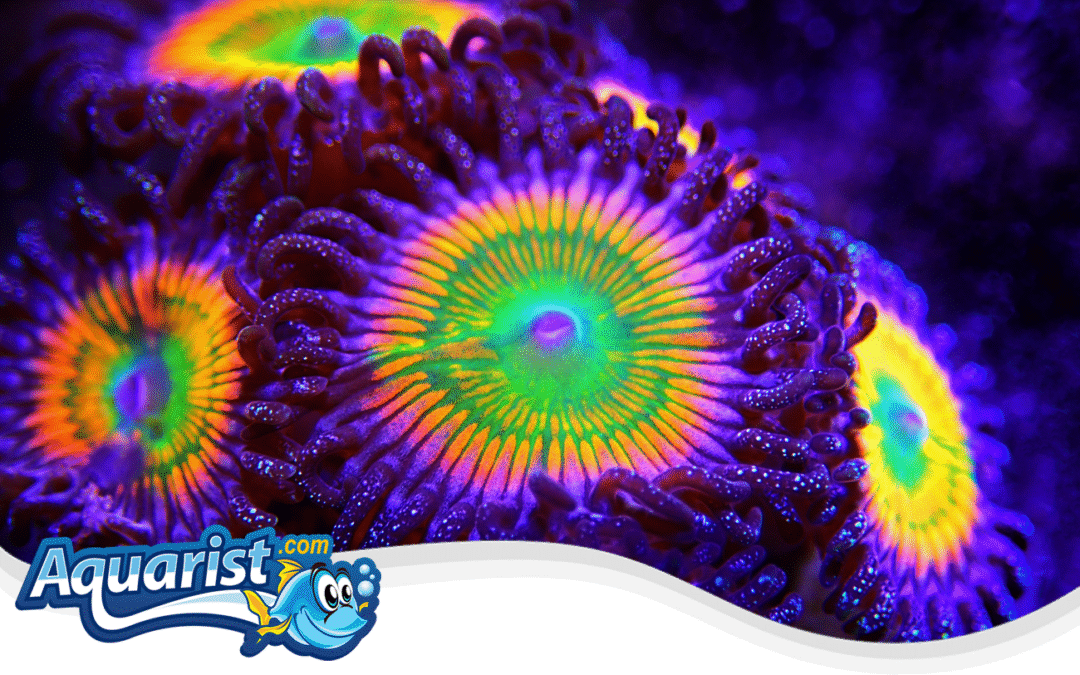
Learn More About Zoanthids
Zoanthids have their own Aquarist network site, with morph profiles and care guides. Start with the zoanthid and Palythoa species guide.
Coral FAQ
What are the easiest corals for beginners?
Mushrooms, zoanthids, toadstool leathers, Kenya trees and green star polyps are among the hardiest. Duncan, candy cane and hammer corals make good first LPS. Add them only once the tank has cycled and salinity, temperature and alkalinity are holding steady.
What’s the difference between SPS and LPS corals?
Both build stony skeletons. LPS have large, fleshy polyps, like moderate light and gentle flow, and often benefit from target feeding. SPS have tiny polyps, need strong light and high flow, and react quickly to alkalinity swings, so they suit experienced keepers.
Are corals plants or animals?
Corals are animals. Each colony is made of many small polyps, related to sea anemones and jellyfish. Most aquarium corals host symbiotic algae in their tissue that use light to make food for the coral, which is why they need good lighting.
What do corals eat in an aquarium?
Most reef corals get much of their energy from the algae in their tissue, powered by your lights, and also catch plankton from the water. LPS often grow faster with target feeding 1–3 times a week. Non-photosynthetic corals depend entirely on feeding.
How much light do corals need?
As a rough guide, soft corals do well at about 30–150 PAR (mushrooms at the low end), zoanthids at 50–150 PAR, LPS at about 75–150 PAR, and SPS at about 200–400 PAR or more. Run a main photoperiod of about 8–10 hours, and raise new corals or new lights gradually.
What water parameters do corals need?
For a mixed reef, aim for 77–80°F (25–27°C), salinity of 1.025–1.026 specific gravity, alkalinity of 7–11 dKH, calcium of 400–450 ppm and magnesium of 1,250–1,400 ppm. Keep nitrate at 2–15 ppm and phosphate at 0.03–0.1 ppm. Stability matters more than any exact number.
How long should I wait before adding corals to a new tank?
Wait until the tank has fully cycled and salinity, temperature and alkalinity have stayed stable for several weeks. For most tanks, that means adding the first easy soft corals or zoanthids around months 2–3. Let your test results decide, not the calendar.
Are zoanthids poisonous?
Zoanthids and Palythoa can contain palytoxin, and serious illness has been reported. Most cases involve handling colonies out of water, fragging, or boiling or scrubbing rock. Wear gloves and eye protection, never heat rock with colonies on it, and keep colonies underwater when you move rock.
Can I frag corals at home?
Yes. Soft corals, zoanthids and many LPS are easy to frag with bone cutters or a frag saw, super glue gel and frag plugs. Wear gloves and eye protection, start with forgiving corals like mushrooms or Kenya trees, and keep conditions steady while frags heal.
Why are my corals dying or not opening?
Common causes include swings in alkalinity, salinity or temperature, a sudden lighting change, flow that’s too strong or too weak, pests, stinging neighbors and nipping fish. Test your water first, think about what changed recently, and adjust one thing at a time.
Stuck on a coral problem, or proud of your reef? Ask the Aquarist Forum, where reef keepers swap advice on saltwater corals of every kind.