
The 20 Easiest Saltwater Fish for Beginners
Hardy, colorful, and forgiving fish that make your first saltwater tank a success.
Every fish below is a strong pick for a first tank: hardy, easy to feed, and usually available captive-bred. Tap any name for its full care guide, and check the compatibility chart before you mix species.
Our Top 20 Picks
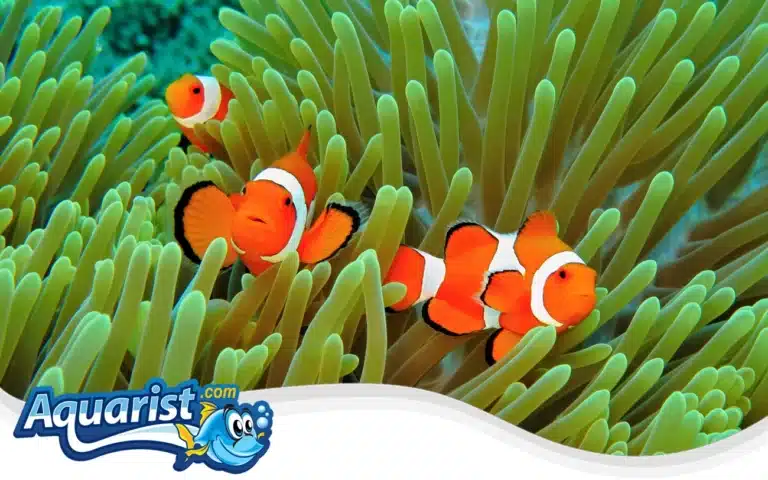
Ocellaris Clownfish
Amphiprion ocellaris
- CareBeginner
- Min tank20 gal (76 L)
- Max size4 in (10 cm)
- TemperamentPeaceful
- Reef safeYes
- DietOmnivore
The fish that launched a million reef tanks. Captive-bred ocellaris are tough, eat almost anything, and don't need an anemone to thrive.
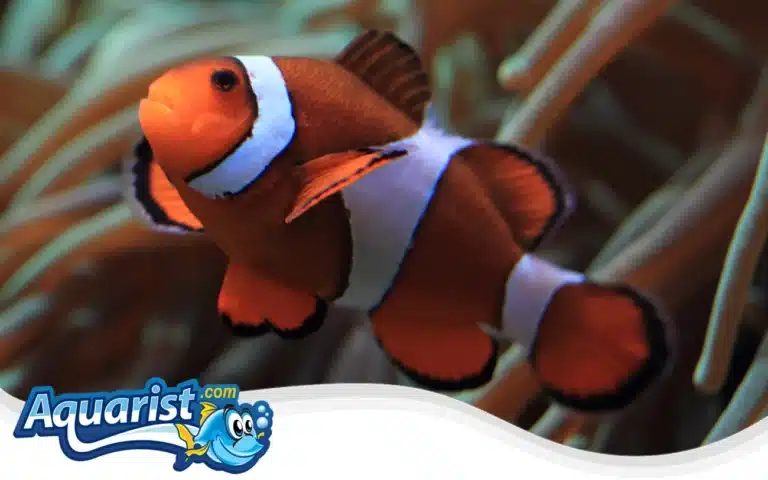
Percula Clownfish
Amphiprion percula
- CareBeginner
- Min tank20 gal (76 L)
- Max size3 in (8 cm)
- TemperamentPeaceful
- Reef safeYes
- DietOmnivore
A close cousin of the ocellaris with crisper black edging. Captive-bred stock is easy to find and settles in quickly.
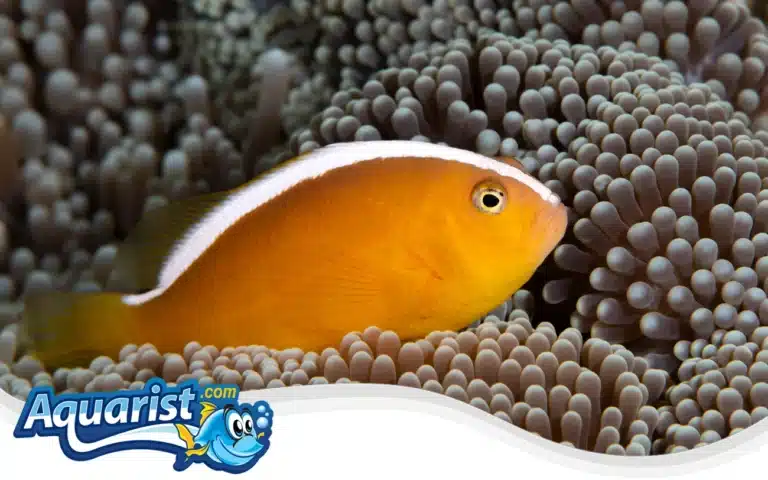
Orange Skunk Clownfish
Amphiprion sandaracinos
- CareBeginner
- Min tank30 gal (114 L)
- Max size4 in (10 cm)
- TemperamentPeaceful
- Reef safeYes
- DietOmnivore
A clownfish with a twist: one clean white stripe down its back. It's a little shyer than other clowns, which makes it a calm tankmate.
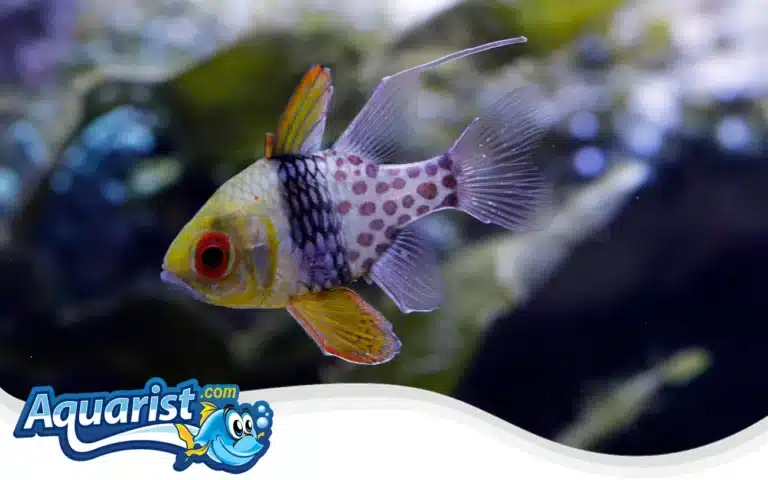
Pajama Cardinalfish
Sphaeramia nematoptera
- CareBeginner
- Min tank30 gal (114 L)
- Max size3.5 in (9 cm)
- TemperamentPeaceful
- Reef safeYes
- DietCarnivore
A slow, polka-dotted hoverer that stays near the rocks. Small groups usually get along if they have room and cover.
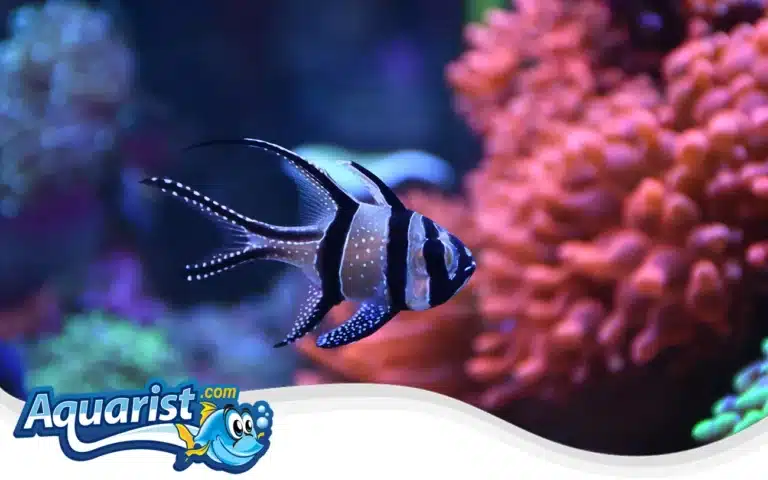
Banggai Cardinalfish
Pterapogon kauderni
- CareBeginner
- Min tank30 gal (114 L)
- Max size3 in (8 cm)
- TemperamentPeaceful
- Reef safeYes
- DietCarnivore
Silver, black, and dotted with white, it glides rather than darts. Buy captive-bred, since wild numbers are limited.
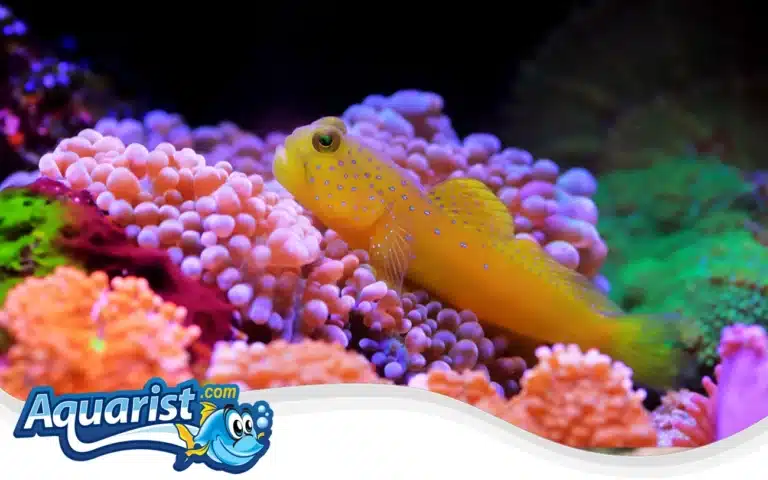
Yellow Watchman Goby
Cryptocentrus cinctus
- CareBeginner
- Min tank20 gal (76 L)
- Max size4 in (10 cm)
- TemperamentPeaceful
- Reef safeYes
- DietCarnivore
A bottom-dweller with big eyes and plenty of character. Give it a deep sand bed and it may even team up with a pistol shrimp.
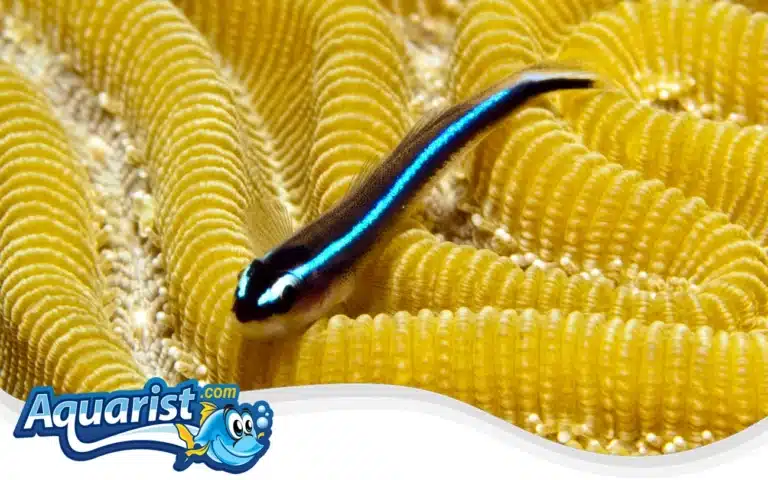
Neon Goby
Gobiosoma oceanops
- CareBeginner
- Min tank10 gal (38 L)
- Max size2 in (5 cm)
- TemperamentPeaceful
- Reef safeYes
- DietCarnivore
Tiny, bold, and electric blue, it's a great pick for smaller tanks. It may set up a cleaning station for other fish.
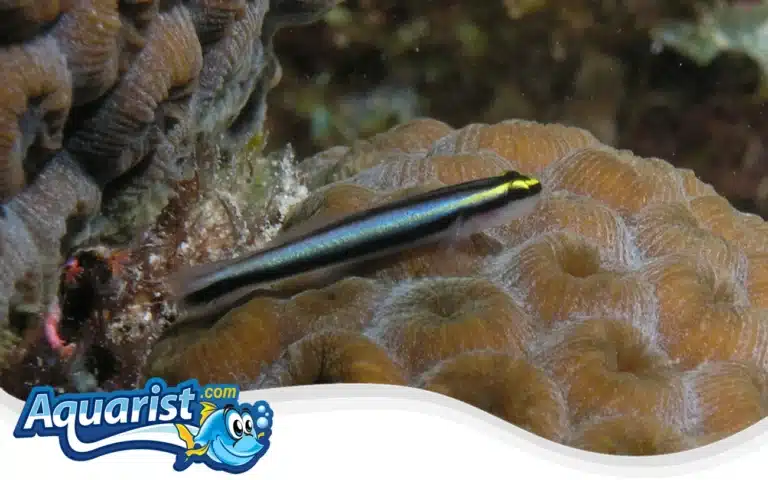
Sharknose Goby
Gobiosoma evelynae
- CareBeginner
- Min tank20 gal (76 L)
- Max size2.5 in (6 cm)
- TemperamentPeaceful
- Reef safeYes
- DietOmnivore
Another small cleaner goby, with a sharp yellow-and-black stripe. Perfect for nano tanks with gentle tankmates.
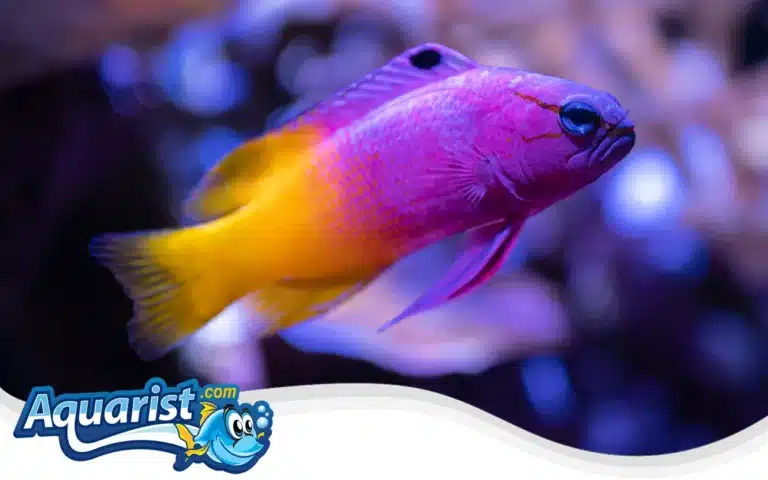
Royal Gramma
Gramma loreto
- CareBeginner
- Min tank30 gal (114 L)
- Max size3 in (8 cm)
- TemperamentPeaceful
- Reef safeYes
- DietCarnivore
Half purple, half yellow, and full of attitude in a good way. One per tank, plus a cave to call home, keeps it happy.
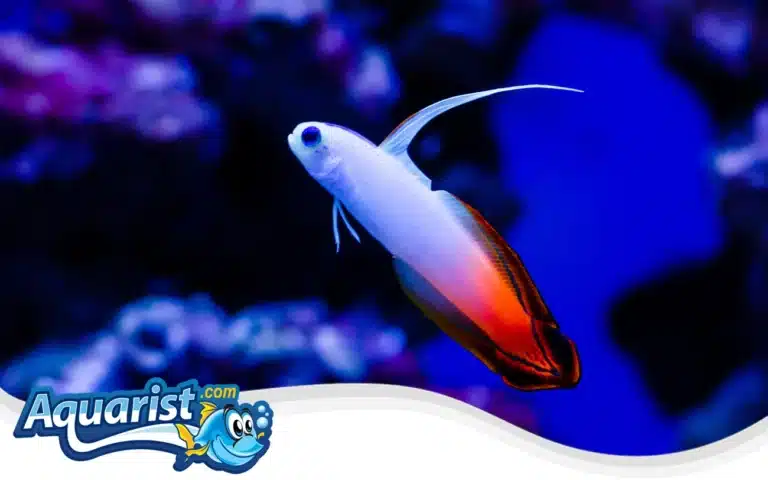
Firefish Goby
Nemateleotris magnifica
- CareBeginner
- Min tank20 gal (76 L)
- Max size3 in (8 cm)
- TemperamentPeaceful
- Reef safeYes
- DietCarnivore
A graceful hoverer with a long dorsal fin that flicks like a flag. It startles easily, so a tight lid is a must.
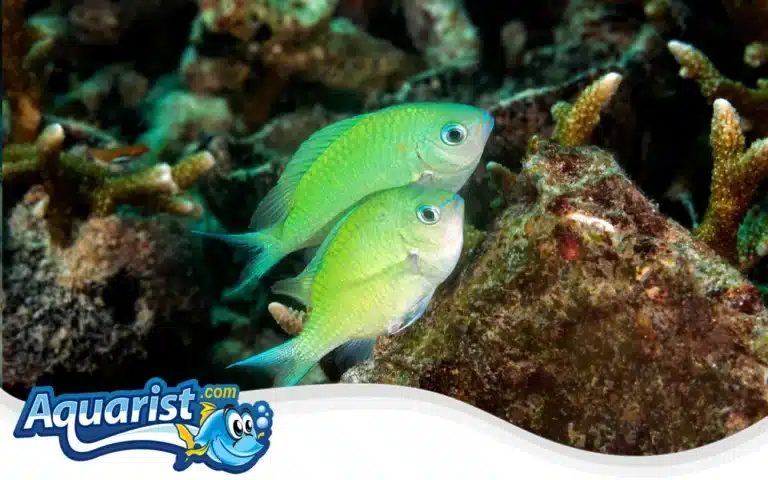
Green Chromis
Chromis viridis
- CareBeginner
- Min tank30 gal (114 L)
- Max size4 in (10 cm)
- TemperamentPeaceful
- Reef safeYes
- DietOmnivore
Shimmery green and constantly on the move in open water. In a small group it adds life to the middle of the tank.
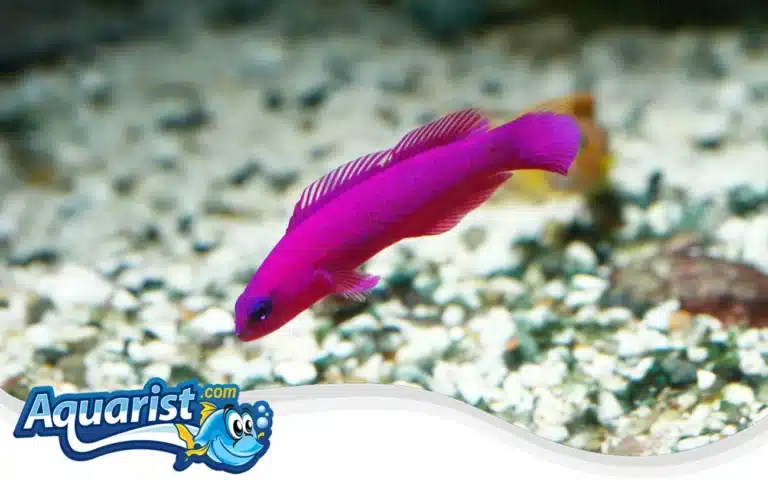
Orchid Dottyback
Pseudochromis fridmani
- CareBeginner
- Min tank20 gal (76 L)
- Max size3 in (8 cm)
- TemperamentSemi-aggressive
- Reef safeYes
- DietCarnivore
Vivid purple and usually captive-bred, it's one of the milder dottybacks, though still semi-aggressive. Expect it to defend its patch from look-alikes.
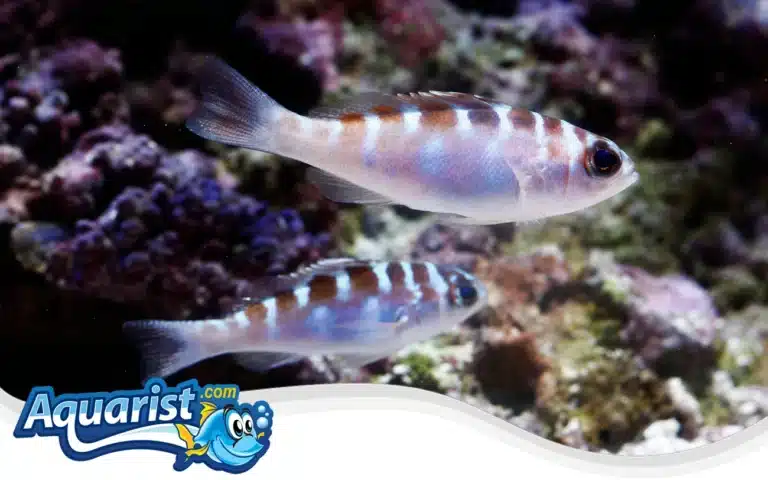
Chalk Bass
Serranus tortugarum
- CareIntermediate
- Min tank30 gal (114 L)
- Max size3 in (8 cm)
- TemperamentPeaceful
- Reef safeWith caution
- DietCarnivore
An underrated little bass in soft blue and orange. Hardy and peaceful with fish, though it may snack on tiny shrimp.
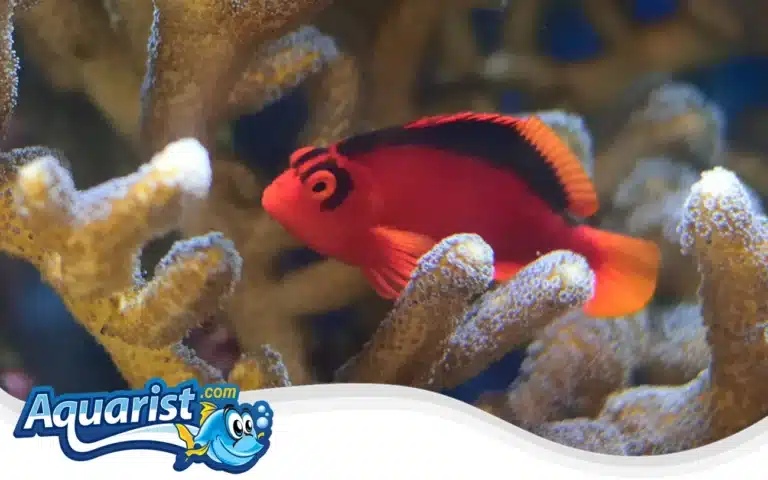
Flame Hawkfish
Neocirrhites armatus
- CareIntermediate
- Min tank30 gal (114 L)
- Max size3.5 in (9 cm)
- TemperamentSemi-aggressive
- Reef safeYes
- DietCarnivore
Bright red and always perched somewhere with a view. It's hardy and fun, but small shrimp may end up on the menu.
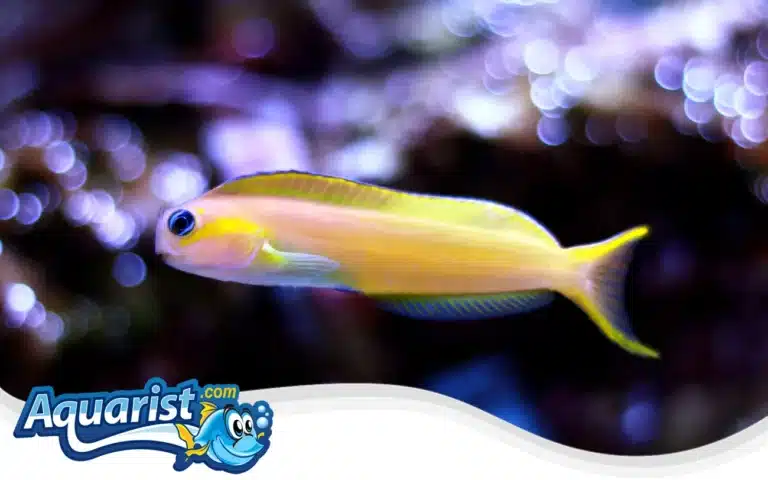
Midas Blenny
Ecsenius midas
- CareBeginner
- Min tank30 gal (114 L)
- Max size5 in (13 cm)
- TemperamentSemi-aggressive
- Reef safeYes
- DietOmnivore
A golden, eel-like swimmer that often hangs out in open water. It eats readily and adds bright color to any tank.
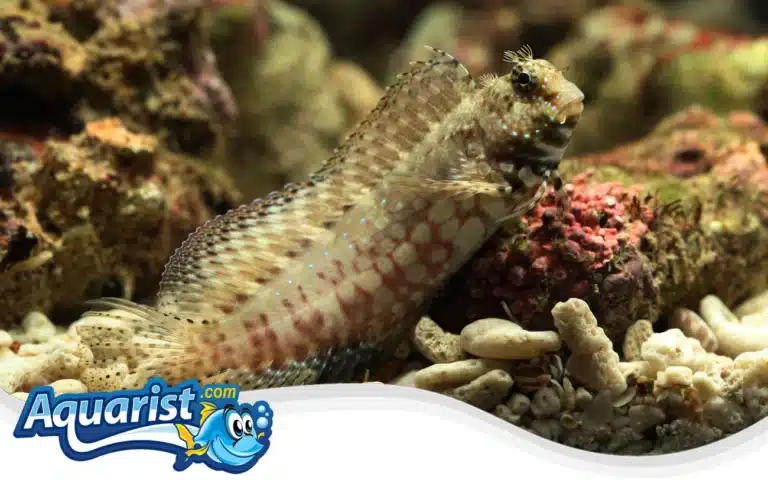
Lawnmower Blenny
Salarias fasciatus
- CareBeginner
- Min tank30 gal (114 L)
- Max size4 in (10 cm)
- TemperamentPeaceful
- Reef safeYes
- DietHerbivore
A whiskered algae grazer with endless personality. It needs a mature tank with natural algae to munch on.
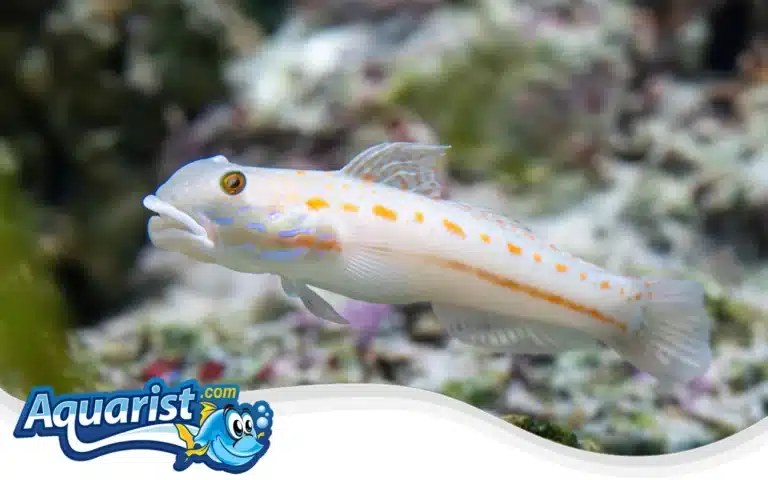
Diamond Goby
Valenciennea puellaris
- CareBeginner
- Min tank30 gal (114 L)
- Max size6 in (15 cm)
- TemperamentPeaceful
- Reef safeYes
- DietCarnivore
A sand-sifter that keeps the substrate turned over and clean. Feed it near its burrow so it gets enough to eat.
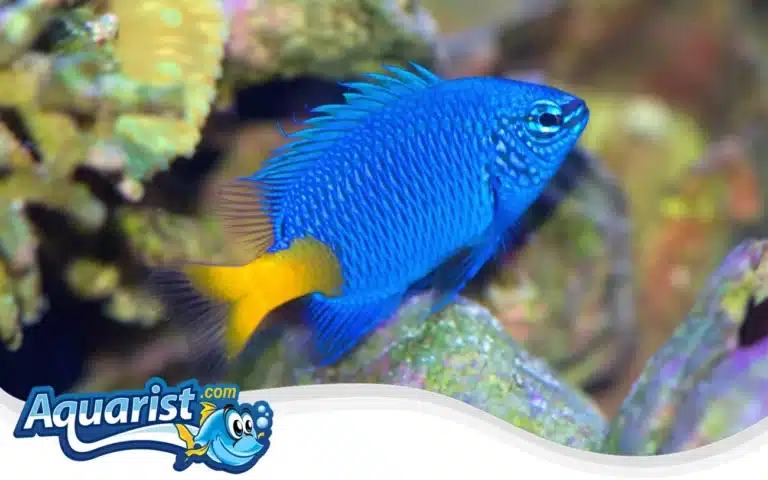
Yellowtail Blue Damselfish
Chrysiptera parasema
- CareBeginner
- Min tank20 gal (76 L)
- Max size3 in (8 cm)
- TemperamentSemi-aggressive
- Reef safeYes
- DietOmnivore
A cheerful blue-and-yellow damsel that's tougher than it looks. It's one of the milder damsels, but add it later in your stocking plan.
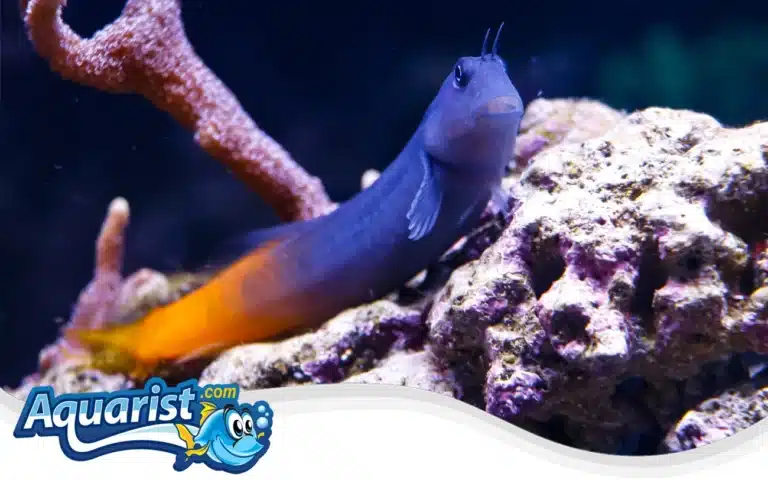
Bicolor Blenny
Ecsenius bicolor
- CareBeginner
- Min tank30 gal (114 L)
- Max size4 in (10 cm)
- TemperamentPeaceful
- Reef safeYes
- DietOmnivore
A two-tone blenny that perches in rock holes and watches the world go by. It grazes algae but also needs prepared foods.
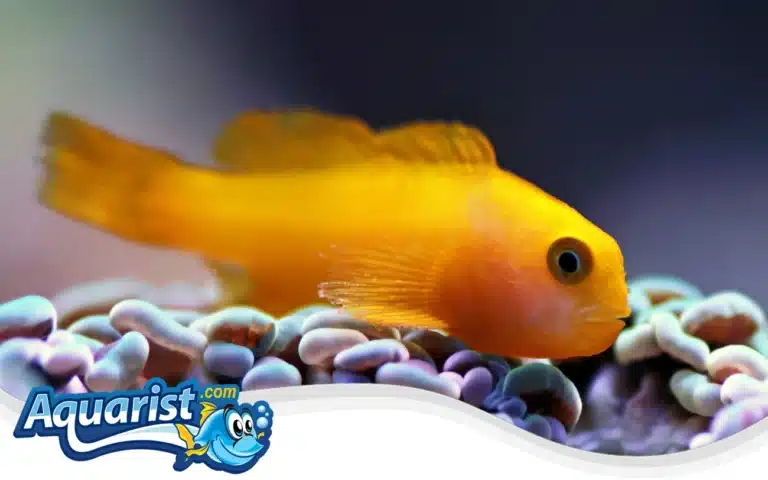
Yellow Clown Goby
Gobiodon okinawae
- CareBeginner
- Min tank15 gal (57 L)
- Max size2.5 in (6 cm)
- TemperamentPeaceful
- Reef safeYes
- DietOmnivore
A tiny yellow goby that likes to sit among branching corals. It stays small and generally keeps to itself.
Quick Comparison
| Fish | Care | Min tank | Max size | Temperament | Reef safe |
|---|---|---|---|---|---|
| Ocellaris Clownfish | Beginner | 20 gal / 76 L | 4 in / 10 cm | Peaceful | Yes |
| Percula Clownfish | Beginner | 20 gal / 76 L | 3 in / 8 cm | Peaceful | Yes |
| Orange Skunk Clownfish | Beginner | 30 gal / 114 L | 4 in / 10 cm | Peaceful | Yes |
| Pajama Cardinalfish | Beginner | 30 gal / 114 L | 3.5 in / 9 cm | Peaceful | Yes |
| Banggai Cardinalfish | Beginner | 30 gal / 114 L | 3 in / 8 cm | Peaceful | Yes |
| Yellow Watchman Goby | Beginner | 20 gal / 76 L | 4 in / 10 cm | Peaceful | Yes |
| Neon Goby | Beginner | 10 gal / 38 L | 2 in / 5 cm | Peaceful | Yes |
| Sharknose Goby | Beginner | 20 gal / 76 L | 2.5 in / 6 cm | Peaceful | Yes |
| Royal Gramma | Beginner | 30 gal / 114 L | 3 in / 8 cm | Peaceful | Yes |
| Firefish Goby | Beginner | 20 gal / 76 L | 3 in / 8 cm | Peaceful | Yes |
| Green Chromis | Beginner | 30 gal / 114 L | 4 in / 10 cm | Peaceful | Yes |
| Orchid Dottyback | Beginner | 20 gal / 76 L | 3 in / 8 cm | Semi-aggressive | Yes |
| Chalk Bass | Intermediate | 30 gal / 114 L | 3 in / 8 cm | Peaceful | With caution |
| Flame Hawkfish | Intermediate | 30 gal / 114 L | 3.5 in / 9 cm | Semi-aggressive | Yes |
| Midas Blenny | Beginner | 30 gal / 114 L | 5 in / 13 cm | Semi-aggressive | Yes |
| Lawnmower Blenny | Beginner | 30 gal / 114 L | 4 in / 10 cm | Peaceful | Yes |
| Diamond Goby | Beginner | 30 gal / 114 L | 6 in / 15 cm | Peaceful | Yes |
| Yellowtail Blue Damselfish | Beginner | 20 gal / 76 L | 3 in / 8 cm | Semi-aggressive | Yes |
| Bicolor Blenny | Beginner | 30 gal / 114 L | 4 in / 10 cm | Peaceful | Yes |
| Yellow Clown Goby | Beginner | 15 gal / 57 L | 2.5 in / 6 cm | Peaceful | Yes |
Tips for Choosing Your First Fish
Go captive-bred
Fish raised in aquariums already eat prepared foods and handle tank life better. They're also kinder to wild reefs.
Plan for adult size
That cute 1 inch (2.5 cm) fish may triple in size. Check the max size and minimum tank before you buy.
Fill different zones
Mix open-water swimmers, rock dwellers, and sand dwellers so no single area gets crowded.
Peaceful fish first
Add the calmest fish first and more territorial ones like damsels or dottybacks last.
Watch before you buy
Pick a fish that is alert, eating, and has clear eyes and intact fins. Ask the store to show it eating.
One or two at a time
Space new arrivals a few weeks apart so your filter bacteria can keep up.
Beginner Fish FAQ
What is the best first saltwater fish?
A captive-bred ocellaris clownfish is hard to beat. It's hardy, easy to feed, stays small, and gets along with most peaceful tankmates.
What is the hardiest saltwater fish for beginners?
Clownfish, damselfish, and many gobies and blennies are very forgiving of small mistakes. Even hardy fish still need a fully cycled tank and stable water.
How many fish can I keep in a 20 gallon tank?
As a rough guide, two to four small, peaceful fish such as a pair of clownfish plus a goby. Stock lightly, since smaller tanks have less margin for error.
How many fish can go in a 30 gallon tank?
Usually around four to six small fish, depending on species, filtration, and how much rock takes up space. Add them slowly and watch your nitrate.
Are clownfish good for beginners?
Yes. Captive-bred clownfish are among the easiest marine fish to keep. Keep one or a pair, and don't mix different clownfish species in a small tank.
Can beginners keep tangs?
Most tangs need large tanks, often 75 to 100 gallons (285 to 380 L) or more, plus excellent water quality, and they are prone to ich. It's best to wait until you've gained some experience.
Which beginner fish are reef safe?
Clownfish, gobies, royal grammas, firefish, chromis, cardinalfish, and most blennies on this list leave corals alone. Hawkfish and some bass may eat small shrimp.
Why choose captive-bred fish?
Captive-bred fish are used to aquarium life, readily eat prepared foods, carry fewer parasites, and reduce pressure on wild reefs.
How do I acclimate a new saltwater fish?
Float the bag to match temperature, then slowly add small amounts of tank water over 30 to 60 minutes. Net the fish into the tank and throw away the store water.
How soon can I add fish after cycling?
Once ammonia and nitrite read 0 ppm for several days and nitrate is present, add one or two hardy fish. Then wait a few weeks before adding more.
How much do beginner saltwater fish cost?
As a rough estimate, common beginner fish run about $20 to $60 each, while designer clownfish and rarer species can cost much more. Prices vary by store and region.
Keep Learning
- Marine Fish Compatibility Chart: check tankmates before you buy.
- How to Start a Reef Tank: 10 Steps: set up and cycle your tank the right way.
- Saltwater Fish Diseases: spot and treat problems early.
- All Saltwater Fish Species: browse every care guide.
For reference only. Care needs vary between individual fish and setups, so research each species, quarantine new arrivals, and ask an experienced aquarist if you are unsure.