

Overview
- Native to the Indo-Pacific, commonly found in coral reefs and lagoons.
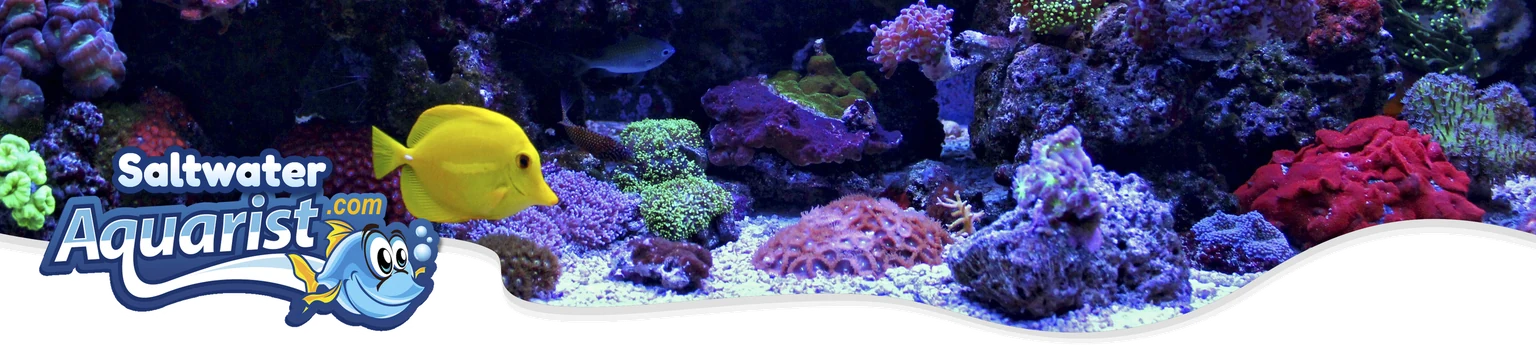
- Easily recognizable due to its bright yellow body and elongated snout.
- Uses its long snout to extract small invertebrates from crevices.
- A peaceful species, often seen in pairs or small groups in the wild.
- Highly active swimmers, requiring ample space in aquariums.
Feeding
- Primarily feeds on small invertebrates, crustaceans, and coral polyps.
- Adapts well to aquarium diets, including mysis shrimp, brine shrimp, and finely chopped seafood.
- May also graze on algae and small benthic organisms.
- Feeding multiple times per day ensures proper nutrition and energy levels.
- Needs a varied diet to prevent nutritional deficiencies.
Habitat
- Commonly inhabits reef slopes, coral outcrops, and rocky formations.
- Requires stable water conditions and a well-established aquarium setup.
- Best housed in an aquarium with plenty of swimming space and hiding spots.
- Prefers environments with moderate water flow, mimicking natural reef currents.
- Ideal for mature reef tanks with diverse microfauna.
Fish Care
- Optimal water temperature: 75-82°F (24-28°C).
- Ideal pH range: 8.1–8.4, with a specific gravity of 1.025–1.026 (about 33–35 ppt).
- Requires a minimum tank size of 75 gallons (284 L) for adequate movement.
- Highly sensitive to poor water quality; regular maintenance is essential.
- Best suited for experienced aquarists due to its dietary needs.
Compatibility
- Peaceful fish that coexists well with other non-aggressive species.
- Should not be housed with aggressive or territorial tank mates.
- Compatible with other butterflyfish, tangs, gobies, and wrasses.
- Avoid housing with predatory fish that may see it as prey.
- May become territorial towards similar species in smaller aquariums.
Aquarium Behavior
- Active swimmer, constantly exploring its environment.
- Spends time searching for food in rock crevices and coral formations.
- May display shy behavior initially but becomes more outgoing over time.
- Forms bonds with tank mates, often seen swimming in pairs.
- Exhibits natural foraging behavior when provided with a diverse habitat.
Frequently Asked Questions
What other names does it have?
It is also called the Forceps Fish.
Why does it have such a long snout?
Its snout works like needle-nose pliers for picking food out of crevices and from between coral heads.
How big does it get?
Our page lists about 9 in (23 cm). It is fairly large in the wild but stays medium-sized in home aquariums.
What size tank does it need?
Our page recommends at least 75 gallons (284 L), with peaceful tankmates.
Is it a good first butterflyfish?
It is a good first butterflyfish, though not necessarily for a brand-new hobbyist, and it is hardy once properly acclimated.
Is it reef safe?
Our page rates it reef safe. Use some caution, as it may nip at corals and sessile invertebrates.
What does it eat in the wild?
It eats a wide range of small animals, including hydroids, fish eggs and small crustaceans, and especially likes the tube feet of sea stars and urchins and the tentacles of tube worms.
What should I feed it?
Offer a varied diet of meaty foods such as mysis shrimp, crustacean meat and frozen preparations.
Does it live in pairs?
It is found alone or in small groups of up to five, and adults are usually seen in pairs.
What is its natural habitat?
It is common on exposed seaward reefs and is also found in lagoon reefs.